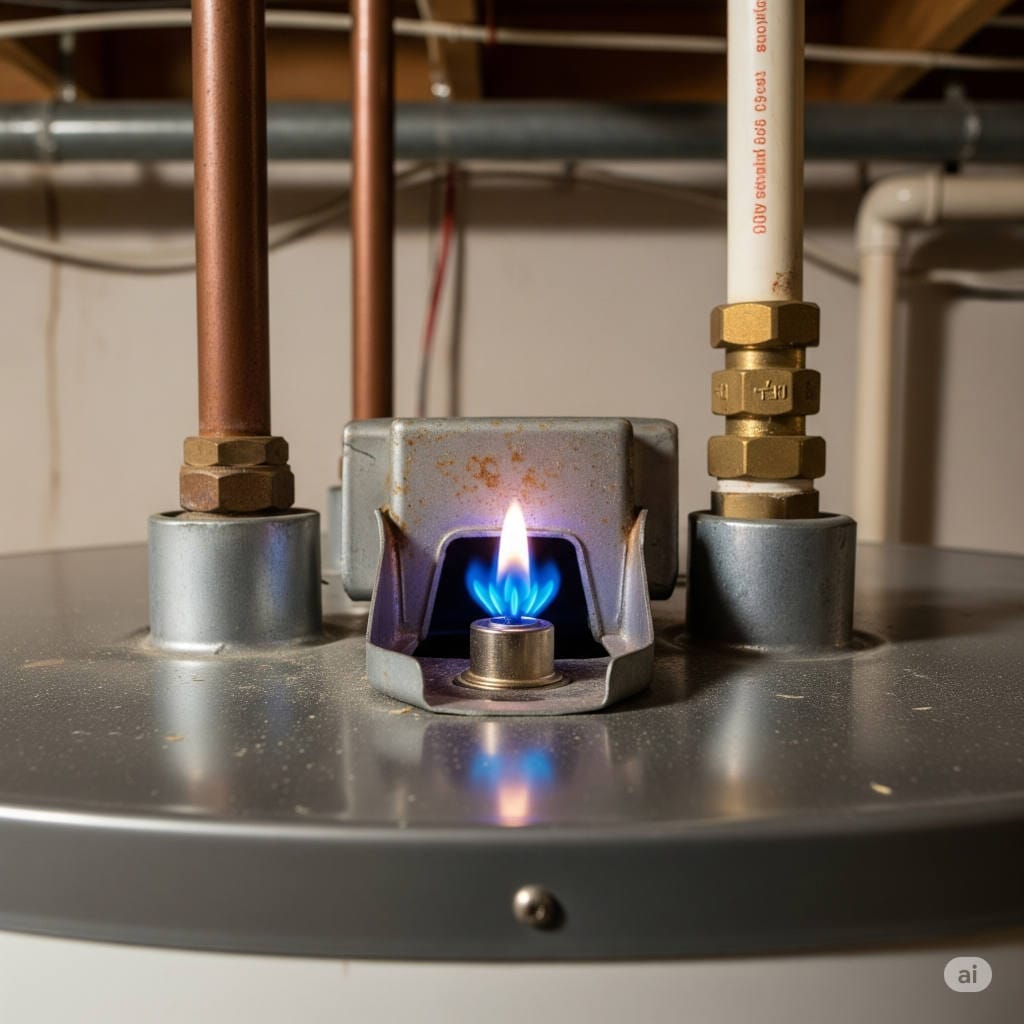
Waking up to a cold shower is one of those rude awakenings that no one wants to experience. If you’ve found yourself constantly relighting the pilot light on your gas water heater, you’re probably wondering: Why does my water heater pilot light keep going out? The good news is you’re not alone, and even better, many of the causes are fixable.
This comprehensive guide will walk you through everything you need to know about pilot light issues. We’ll cover why the pilot light keeps shutting off, how to troubleshoot it, when to call a professional, and how to prevent it from happening again. Let’s dive in.
What Is a Pilot Light and What Does It Do?
If you have a gas-powered water heater, the pilot light is a small but crucial component. It’s a tiny flame that stays lit continuously and ignites the main burner when your water heater needs to warm the water. Think of it as the spark plug for your hot water supply.
When the pilot light goes out, the burner can’t fire up, which means no hot water. But it’s more than just an inconvenience—it can also point to a safety issue or a failing part in your heater.
Common Reasons Why the Pilot Light Keeps Going Out
1. A Faulty Thermocouple
The thermocouple is a safety device that detects whether the pilot light is on. If it senses that the flame is out, it shuts off the gas to prevent leaks. Over time, the thermocouple can become dirty, bent, or just wear out.
Signs of a bad thermocouple:
- Pilot light won’t stay lit
- Flame looks weak or off-center
- Thermocouple appears corroded
2. Dirty or Clogged Pilot Tube
The pilot tube delivers gas to the pilot flame. If it’s partially blocked by dirt, soot, or rust, the flame might be too small to keep the thermocouple hot, causing the gas to shut off.
How to tell:
- The flame is tiny or flickering
- The flame goes out when you release the pilot knob
3. Defective Gas Control Valve
The gas control valve regulates gas flow to both the pilot light and the burner. If it’s malfunctioning, it could intermittently shut off the gas supply, killing the flame.
Warning signs:
- Inconsistent pilot light behavior
- Gas smell or no gas flow
- Other components check out, but the issue persists
4. Drafts or Poor Ventilation
If your water heater is in a drafty location (like a garage or basement), a gust of wind could blow out the pilot light. Lack of proper ventilation can also create backdrafts that extinguish the flame.
Clues:
- Pilot light goes out during windy weather
- Heater is near a door, window, or air vent
5. Weak or Unstable Pilot Flame
The flame should be strong, blue, and steady. If it’s weak or yellow, it may not stay lit or heat the thermocouple adequately.
What to look for:
- Yellow or orange flame
- Flame flickers or seems too small
6. Low Gas Pressure or Supply Issues
If your home has low gas pressure or the supply is disrupted, the pilot may not get enough fuel to stay lit.
Indications:
- Other gas appliances are also acting up
- Smell of gas (shut off the supply immediately!)
7. Water Heater Is Just Old
Like any appliance, water heaters degrade over time. If yours is over 10-12 years old, pilot light problems might just be a symptom of age.
Step-by-Step: How to Troubleshoot a Pilot Light That Keeps Going Out
Here’s a beginner-friendly process to diagnose and potentially fix the problem:
Step 1: Observe the Pilot Flame
Turn off the heater for 5-10 minutes, then relight the pilot according to the manufacturer’s instructions. Watch the flame.
- Blue and steady? That’s good.
- Yellow or weak? You might have a dirty tube or low gas pressure.
Step 2: Inspect and Clean the Thermocouple
- Turn off the gas supply.
- Remove the thermocouple (usually a copper tube near the pilot).
- Gently clean it with fine sandpaper or steel wool.
- Reinstall and try lighting the pilot again.
Step 3: Check the Pilot Tube for Blockage
- Use a needle or compressed air to clean the pilot opening.
- Clear any debris or rust.
- Reassemble and test the flame again.
Step 4: Evaluate the Gas Control Valve
If other parts are clean and aligned but the pilot still won’t stay lit, the gas control valve might be faulty. This part is tricky to replace on your own and often requires a licensed technician.
Step 5: Address Environmental Factors
- Seal up drafts near the water heater
- Install a vent cap or draft hood
- Ensure proper air supply to the room
Can You Fix the Problem Yourself?
If you’re handy and comfortable working with small components, many pilot light issues are DIY-friendly. Cleaning a thermocouple or unclogging a pilot tube are low-risk and affordable fixes.
However, anything involving the gas line, control valve, or deeper mechanical issues should be handled by a professional. Gas is nothing to mess around with if you’re unsure.
When to call in a pro:
- You smell gas
- You’ve tried relighting the pilot several times with no success
- You suspect a faulty gas valve
- Your unit is 10+ years old and constantly malfunctioning
Preventative Maintenance Tips
Regular maintenance goes a long way in avoiding pilot light issues. Here are a few tips:
1. Annual Inspections
Schedule a yearly professional check-up. They’ll clean the unit, inspect for leaks, test the thermostat, and ensure everything’s running safely.
2. Clean Around the Heater
Dust and debris can clog important components. Keep the area around the water heater clean and dry.
3. Check for Drafts
Install draft blockers or move the heater if it’s in a windy location.
4. Test the Flame Regularly
A strong, blue flame is a good sign. Any changes should be investigated quickly.
5. Flush the Tank
Sediment buildup in the tank can affect performance. Flushing the tank once or twice a year can extend its life and efficiency.
How Much Do Repairs Cost?
Depending on the issue, here’s what you might expect to pay:
- Thermocouple replacement: $10-$20 (DIY), $80-$150 (professional)
- Pilot tube cleaning or repair: Free-$50 (DIY), $100-$175 (pro)
- Gas valve replacement: $150-$300
- Full unit replacement: $700-$2,000
Routine maintenance can save you from bigger repair bills down the road.
Frequently Asked Questions
Q1: Is it dangerous if the pilot light keeps going out?
It can be. A faulty thermocouple usually prevents gas leaks, but if the safety mechanisms fail, unburned gas could leak. Always fix the issue and never ignore the smell of gas.
Q2: Can I use my water heater if the pilot light is out?
No. Without a lit pilot, the heater won’t ignite the burner. Trying to use it may be unsafe and ineffective.
Q3: What color should the pilot flame be?
A healthy pilot flame is blue with a small yellow tip. A yellow or orange flame indicates incomplete combustion and could be hazardous.
Q4: How long should a pilot light stay lit?
Indefinitely. Once lit, it should remain on unless there is a malfunction or external factor causing it to go out.
Q5: Is replacing a water heater worth it?
If your unit is over 10-12 years old, frequently breaking down, and less energy-efficient, replacement is often more cost-effective than ongoing repairs.
Final Thoughts: Don’t Let a Tiny Flame Ruin Your Day
When your hot water heater pilot light keeps going out, it might feel like a small issue, but it can snowball into big inconveniences. The good news is that many of the causes are common, easy to identify, and affordable to fix.
From checking the thermocouple and cleaning the pilot tube to assessing environmental factors and staying on top of maintenance, a little knowledge goes a long way. And if you’re ever in doubt, don’t hesitate to call in a professional. Your comfort—and safety—is worth it.
Still unsure? Feel free to drop a comment below or contact a certified plumber near you. Don’t suffer through another cold shower!
Need Help With Your Water Heater?
We partner with trusted HVAC and plumbing professionals across the country. Reach out today and we’ll help you find someone in your area.