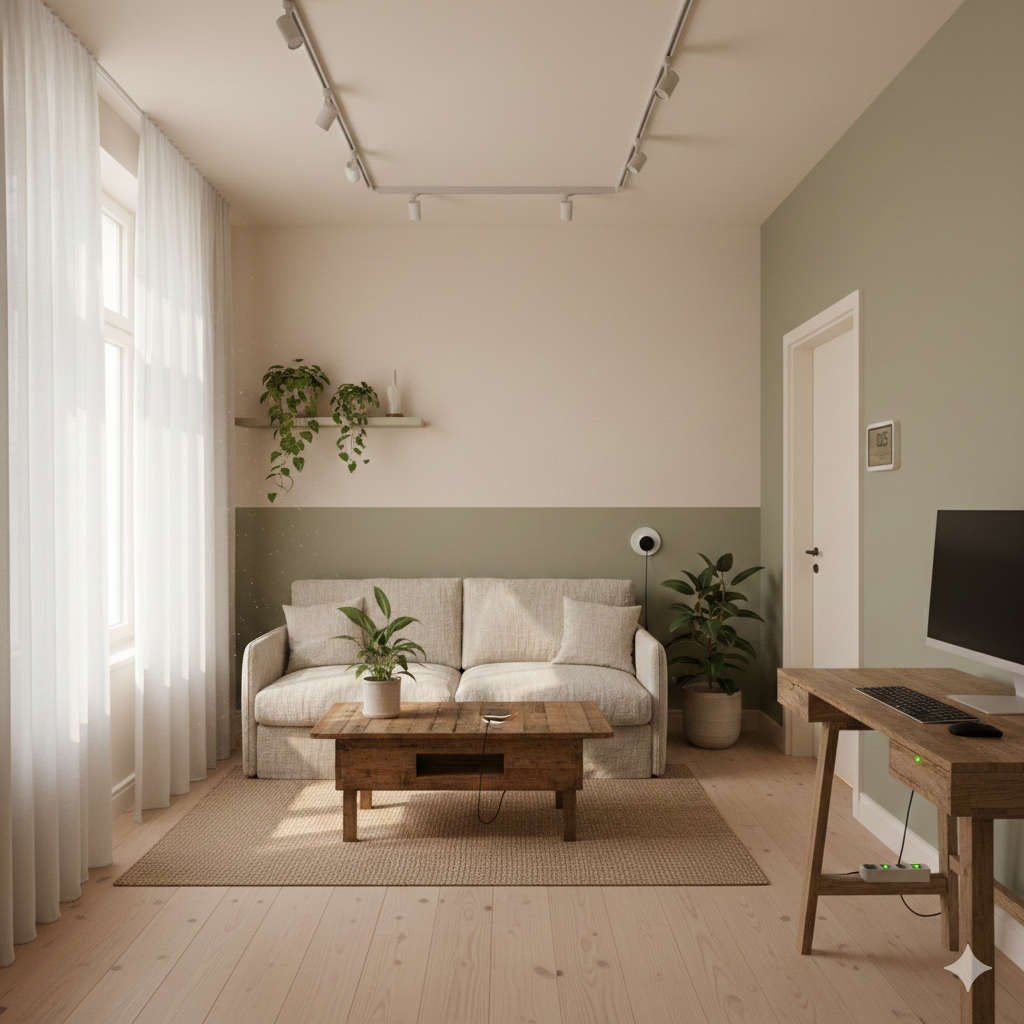
Living in a small apartment comes with many advantages—lower rent, easier cleaning, and a cozy living environment. However, when it comes to electricity usage, smaller spaces can sometimes be surprisingly inefficient. Limited room for appliances, shared walls, outdated fixtures, and lifestyle habits often lead to higher-than-expected energy bills. The good news is that reducing electricity usage in a small apartment does not require major renovations or expensive upgrades. With thoughtful adjustments, mindful habits, and smart choices, you can significantly cut energy consumption while maintaining comfort.
This guide explores practical, realistic, and proven ways to reduce electricity usage in small apartments. Whether you are renting or owning, these strategies focus on what you can control, helping you save money, lower environmental impact, and create a more energy-efficient living space.
Understanding How Electricity Is Used in Small Apartments
Before reducing electricity consumption, it is essential to understand where most of it goes. In small apartments, electricity usage is often concentrated in a few areas rather than being evenly distributed. Heating and cooling systems usually consume the largest share, followed by kitchen appliances, water heating, lighting, and electronics.
Unlike larger homes, small apartments rely heavily on multifunctional devices. A single room may serve as a living area, workspace, and bedroom, meaning electronics and lighting are often used for extended periods. Additionally, many apartments use older appliances provided by landlords, which may not be energy efficient.
Another overlooked factor is standby power. Devices plugged into outlets continue drawing electricity even when turned off. In compact spaces filled with chargers, entertainment systems, and smart devices, this hidden energy drain can quietly raise monthly bills.
Understanding these patterns helps you focus on the changes that make the biggest difference.
Tracking and Evaluating Your Electricity Usage
Reducing electricity usage starts with awareness. Many apartment residents only look at their total bill without understanding daily or weekly consumption habits. Reviewing your electricity bills over several months helps identify trends, seasonal spikes, and unusual increases.
If your utility provider offers detailed usage data, take advantage of it. Hour-by-hour or daily breakdowns reveal which times of day consume the most electricity. This insight allows you to shift energy-heavy activities to off-peak periods when rates may be lower.
Plug-in energy monitors can also be useful, especially in small apartments where a few devices dominate consumption. Measuring how much power a refrigerator, space heater, or entertainment setup uses provides clarity and prevents guesswork.
Once you understand your baseline usage, every improvement becomes easier to measure and maintain.
Making Lighting More Energy Efficient
Lighting is one of the easiest areas to improve, and small apartments benefit greatly from efficient lighting choices.
Switching to LED bulbs is one of the most effective changes you can make. LEDs use significantly less electricity than traditional bulbs while lasting many times longer. They also generate less heat, which helps reduce cooling costs during warmer months. In a small apartment, even a modest reduction in heat buildup can improve comfort.
Natural light is another powerful resource. Keeping windows unobstructed during the day reduces the need for artificial lighting and creates a brighter, more welcoming space. Light-colored walls and reflective surfaces can help distribute daylight more effectively, making rooms feel larger and brighter.
Instead of relying on overhead lights throughout the apartment, focused lighting can dramatically reduce electricity use. Desk lamps, reading lights, and under-cabinet lighting provide illumination exactly where it is needed without lighting an entire room unnecessarily. This approach is especially useful in studio apartments or open layouts.
Developing the habit of turning off lights when leaving a room may sound obvious, but it remains one of the most effective energy-saving behaviors over time.
Reducing Heating and Cooling Electricity Usage
Heating and cooling often account for the largest share of electricity usage in small apartments, even more so than in larger homes. Because space is limited, temperature changes happen quickly, making efficient control essential.
If your apartment uses electric heating or air conditioning, setting realistic temperature targets is critical. Small adjustments can have a significant impact. Lowering the thermostat slightly in winter or raising it modestly in summer can reduce electricity usage without sacrificing comfort.
Programmable or smart thermostats are valuable tools, even in apartments. They allow you to automatically adjust temperatures when you are sleeping or away. In small spaces, these adjustments quickly translate into measurable savings.
Air circulation also plays an important role. Fans consume far less electricity than air conditioners and can make a room feel noticeably cooler. Ceiling fans, if available, should be set to rotate counterclockwise during summer to push cool air downward. Portable fans are an excellent alternative in apartments without ceiling fixtures.
Window treatments help regulate indoor temperatures more than many people realize. Insulated curtains reduce heat loss in winter and block excess heat in summer. Closing curtains during hot afternoons and opening them on sunny winter mornings supports natural temperature control.
Regular maintenance matters as well. Cleaning vents, replacing filters, and ensuring airflow is unobstructed helps heating and cooling systems work more efficiently, reducing unnecessary electricity use.
Improving Appliance Efficiency in a Small Apartment
Appliances run frequently in small apartments, often for longer hours due to space limitations. Using them efficiently makes a substantial difference.
Refrigerators are among the highest energy consumers because they operate continuously. Keeping your refrigerator at the recommended temperature prevents overworking the compressor. An overfilled fridge restricts airflow, while an empty one requires more energy to maintain temperature, so balance is key. Ensuring door seals are tight and minimizing door opening time further improves efficiency.
Cooking appliances also impact electricity usage. Using smaller appliances such as microwaves, toaster ovens, or electric kettles for quick meals consumes less energy than large ovens or stovetops. When using the stove, matching pot size to burner size and using lids helps retain heat and reduce cooking time.
Dishwashers, if available, should only be run when full. Using energy-saving modes and avoiding heated drying cycles can significantly lower electricity consumption.
In apartments with in-unit laundry, washing clothes in cold water and air-drying whenever possible reduces both electricity and water heating costs. Even partial air-drying can make a difference over time.
Managing Electronics and Reducing Standby Power
Electronics are central to modern apartment living, but they are also responsible for a significant portion of unnecessary electricity use.
Many devices continue drawing power even when turned off. Televisions, gaming consoles, streaming devices, and chargers all consume standby electricity. In a small apartment with limited outlets, this hidden usage adds up quickly.
Using power strips makes it easier to completely shut off multiple devices at once. Turning off a power strip before leaving the apartment or going to sleep can reduce energy waste without affecting convenience.
Adjusting power settings on computers, tablets, and televisions also helps. Enabling sleep mode, reducing screen brightness, and setting automatic shutdown times minimize electricity usage during idle periods.
Streaming habits matter as well. High-resolution streaming consumes more power than standard resolution, particularly on devices that do not benefit visually from higher quality. Choosing appropriate settings based on screen size saves energy without sacrificing viewing experience.
Using Hot Water More Efficiently
Hot water usage is closely tied to electricity consumption, especially in apartments with electric water heaters.
Reducing hot water demand is one of the most effective ways to lower electricity usage. Shorter showers, lower water temperatures, and efficient fixtures all contribute to meaningful savings.
Low-flow showerheads and faucet aerators reduce water usage without compromising comfort. Because less hot water is required, the water heater operates less frequently, saving electricity.
Setting the water heater to a moderate temperature prevents overheating and unnecessary energy consumption. Many apartments have water heaters set higher than necessary, leading to wasted electricity and increased safety risks.
Simple habits such as turning off the tap while brushing teeth or washing dishes by hand also help reduce the energy required for water heating over time.
Improving Insulation and Preventing Energy Loss
While renters may have limited control over structural insulation, there are still effective ways to reduce energy loss in a small apartment.
Drafts around windows and doors allow heat to escape in winter and enter in summer. Using removable weatherstripping or draft blockers is an inexpensive way to improve insulation without permanent modifications.
Floor coverings such as rugs help insulate cold floors and make rooms feel warmer, reducing the need to increase heating. Thick curtains provide similar benefits for windows, especially at night.
Furniture placement also matters. Keeping large furniture away from vents ensures proper airflow, allowing heating and cooling systems to work efficiently.
Even small improvements in insulation can reduce electricity usage significantly because temperature changes occur quickly in compact spaces.
Adopting Energy-Saving Habits That Last
Technology alone cannot achieve meaningful electricity reduction without supportive habits. Small, consistent behavioral changes often produce the greatest long-term results.
Being mindful of when and how electricity is used makes a noticeable difference. Turning off devices instead of leaving them on standby, unplugging chargers when not in use, and running appliances during off-peak hours all contribute to lower consumption.
Developing routines helps maintain efficiency without constant effort. For example, creating a habit of checking lights and power strips before leaving the apartment ensures energy savings become automatic rather than intentional.
Tracking usage periodically reinforces positive behavior. Seeing lower bills or reduced consumption data provides motivation to continue improving.
In shared apartments, open communication about energy-saving goals helps align habits and avoid unnecessary waste.
Using Smart Technology Wisely in Small Apartments
Smart technology can be especially effective in small apartments because even minor efficiencies have noticeable impacts.
Smart plugs allow you to monitor and control electricity usage for individual devices. Scheduling devices to turn off automatically prevents unnecessary power consumption and supports consistent habits.
Smart power strips detect when devices enter standby mode and cut power accordingly. This feature is particularly useful for entertainment centers and home offices.
Energy monitoring apps connected to smart meters provide real-time feedback, helping you understand how daily choices affect electricity usage. Over time, this visibility leads to more informed decisions and sustained reductions.
While smart devices require an upfront investment, their long-term benefits often outweigh the initial cost in reduced electricity bills.
Evaluating Costs and Long-Term Savings
Reducing electricity usage should be viewed as a long-term investment rather than a short-term sacrifice. Many energy-saving changes require minimal cost and offer quick returns.
LED lighting, draft sealing, and power strips typically pay for themselves within months. Larger investments, such as smart thermostats or energy-efficient appliances, provide ongoing savings over several years.
When evaluating upgrades, consider both direct savings and indirect benefits. Lower electricity usage reduces wear on appliances, extends equipment lifespan, and improves indoor comfort.
For renters, discussing energy-efficient improvements with landlords can be worthwhile. Many landlords are open to changes that increase property value or reduce maintenance costs.
Creating an Energy-Efficient Apartment Lifestyle
Reducing electricity usage in a small apartment is not about giving up comfort or convenience. It is about making smarter choices that align with how you already live.
Small spaces respond quickly to changes, meaning even modest adjustments produce noticeable results. By focusing on efficient lighting, thoughtful appliance use, controlled heating and cooling, and mindful habits, you can significantly reduce electricity consumption without disrupting daily life.
An energy-efficient apartment is also a more comfortable one. Better temperature control, reduced clutter from unnecessary devices, and lower monthly bills all contribute to a higher quality of living.
The key is consistency. Start with the easiest changes, build momentum, and gradually incorporate more advanced strategies. Over time, these efforts compound, leading to lasting financial and environmental benefits.
Final Thoughts
Electricity usage in small apartments often feels unavoidable, but in reality, it is highly manageable. With awareness, intentional choices, and practical improvements, you can dramatically reduce energy consumption without sacrificing comfort.
Every light turned off, every appliance used efficiently, and every habit improved contributes to meaningful savings. Small apartments offer a unique advantage: changes are felt quickly, and progress is easy to measure.
By applying the strategies in this guide, you are not only lowering your electricity bill but also creating a more sustainable and comfortable home—one smart decision at a time.