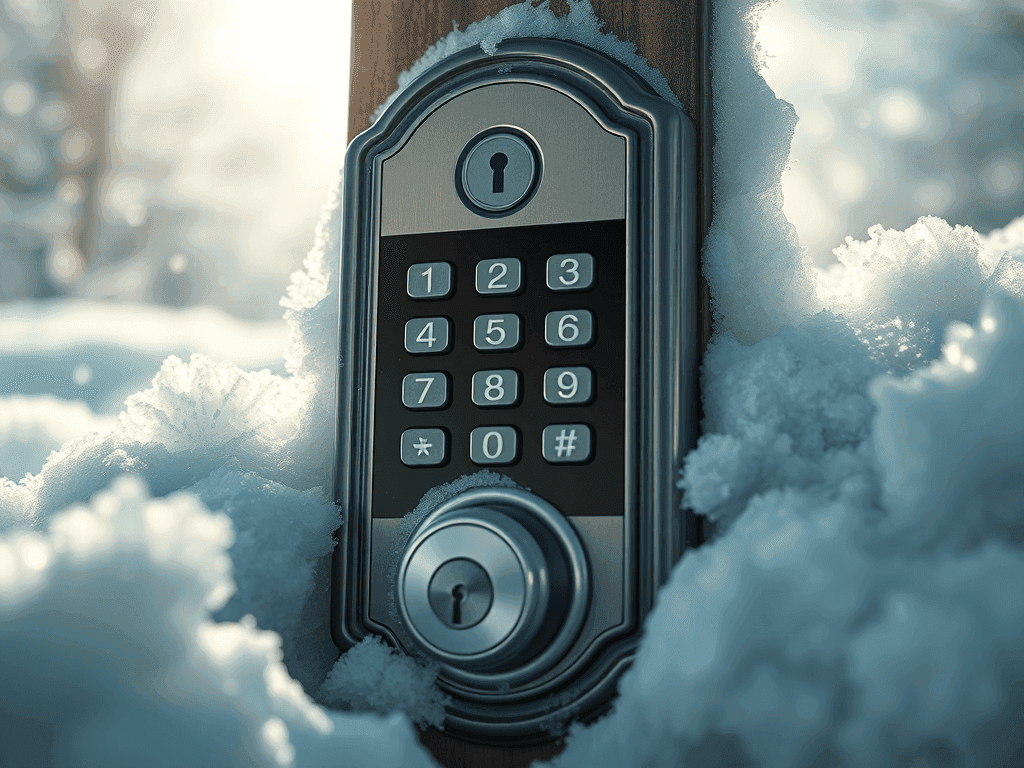
Electronic keypad locks have changed the way homeowners think about security and convenience. With the ability to unlock doors using PIN codes instead of traditional keys, they offer flexibility, remote access, and peace of mind. Schlage keypad locks in particular are widely respected for their reliability and durability. However, when temperatures drop, many users begin to notice odd behavior — slow responses, keypad glitches, or even complete lock failures.
If you’ve experienced this, you’re not alone. Cold weather can affect electronic locks in ways that aren’t always obvious. Understanding what’s happening behind the scenes can help you fix issues quickly and prevent them from returning every winter.
This guide explains why Schlage keypad locks struggle in low temperatures, how to troubleshoot common problems, and practical solutions that keep your lock operating smoothly year-round. Whether you’re dealing with freezing winters or occasional cold snaps, these insights will help you protect both your lock and your home access.
Understanding How Keypad Locks Function
Before exploring cold-weather problems, it’s helpful to understand the basic operation of electronic locks.
A typical Schlage keypad lock combines several systems:
- A battery pack supplying electrical power
- Electronic circuitry that processes keypad input
- A motor that physically drives the deadbolt
- Mechanical components such as gears and springs
- Wiring connecting interior and exterior assemblies
- Optional wireless modules for smart features
These components work together in a carefully balanced system. When a user enters a code, the circuit verifies authorization, signals the motor, and the bolt retracts or extends. Everything must operate within precise tolerances — mechanically and electrically — for smooth performance.
Cold weather disrupts those tolerances. Instead of a single failure point, problems usually result from multiple small effects stacking together.
How Cold Temperatures Impact Electronic Door Locks
Battery Performance Drops Significantly
The most frequent cause of winter lock issues is weakened battery output. Most electronic locks rely on alkaline AA batteries, which are sensitive to temperature changes. Chemical reactions inside the battery slow in colder environments, reducing the voltage available to power the motor and electronics.
This means batteries that seem fully functional indoors may struggle outdoors. Symptoms can include:
- Dim or unlit keypad
- Delayed responses
- Motor attempting to turn but failing
- Lock appearing completely unresponsive
Because the lock motor requires bursts of higher energy to move the bolt, reduced battery performance quickly becomes noticeable.
Moisture and Ice Accumulation
Temperature differences between indoor warmth and outdoor cold often create condensation inside door hardware. Over time, moisture collects within the lock assembly.
When temperatures fall below freezing, that moisture can turn into ice, causing:
- Stiff or frozen components
- Corroded electrical contacts
- Reduced circuit reliability
Moisture damage tends to worsen gradually, meaning problems may persist even after temperatures rise.
Mechanical Contraction and Increased Friction
Metal and plastic components contract when exposed to cold. Although contraction is slight, even tiny dimensional changes can affect performance. Internal gears and springs may no longer move as freely, increasing resistance.
At the same time, standard lubricants inside mechanical assemblies can thicken or harden in low temperatures. Together, these factors make it harder for the motor to move the deadbolt.
This creates a difficult situation where:
- Electrical power is reduced
- Mechanical resistance is increased
The system must work harder while receiving less energy — a recipe for malfunction.
Door Alignment Shifts
Doors themselves are affected by temperature fluctuations. Wood and composite materials expand and contract based on humidity and temperature. Slight shifts can misalign the bolt with the strike plate.
Even minor misalignment forces the motor to push against resistance, leading to:
- Grinding noises
- Partial locking
- Failed lock attempts
This issue is often overlooked because it’s not immediately obvious that the door structure — not the lock — is responsible.
Touchpad Sensitivity Issues
Some keypad locks use capacitive sensing technology. Extremely cold surfaces or frost accumulation may reduce responsiveness to touch.
Users might notice:
- Button presses not registering
- Slower input recognition
- Multiple attempts required
While not as common as battery issues, it can contribute to frustration during winter months.
Recognizing Common Cold Weather Symptoms
Being able to identify the type of problem you’re facing helps determine the right solution.
Typical winter complaints include:
- Keypad lights dimming or failing
- Lock responding intermittently
- Bolt stopping midway
- Unusual mechanical sounds
- Remote connectivity dropping
- Lock functioning again after warming
These patterns strongly indicate environmental causes rather than permanent hardware failure.
Immediate Fixes You Can Try
Upgrade to Lithium Batteries
Switching battery type is often the fastest and most effective solution. Lithium batteries perform far better in cold temperatures compared to alkaline alternatives.
Benefits include:
- Stable voltage delivery
- Longer lifespan
- Improved cold tolerance
Popular choices include:
Replacing batteries proactively before winter arrives can prevent most cold-related lock failures.
Warm the Lock Temporarily
If you’re locked out or experiencing freezing conditions, gently warming the lock may restore operation.
Safe approaches include:
- Covering with warm hands
- Applying a warm (not hot) cloth
- Using indirect airflow heat
Avoid excessive heat or open flames, as rapid temperature changes can introduce more moisture.
Clean Battery Contacts
Corrosion or residue on battery terminals reduces conductivity. Removing batteries and cleaning contacts can improve electrical flow.
Recommended method:
- Wipe contacts with alcohol
- Dry thoroughly
- Reinstall fresh batteries
This simple maintenance step often resolves intermittent behavior.
Apply Cold-Rated Lubrication
Mechanical components benefit from lubrication suited to winter conditions.
Effective options:
- Graphite powder lubricants
- Dry PTFE-based sprays
Avoid oil-based lubricants, which can thicken and worsen friction in cold weather.
Adjust Door Alignment
If locking requires force, alignment may be off.
Check for:
- Loose hinges
- Strike plate positioning
- Door swelling or shifting
Adjusting hardware or tightening fittings reduces motor strain and improves reliability.
Reset the Lock System
Electronics sometimes require recalibration after power fluctuations.
Basic steps:
- Remove batteries briefly
- Reinstall
- Follow reset instructions if necessary
This can clear temporary glitches caused by voltage drops.
Long-Term Prevention Strategies
Replace Batteries Seasonally
Make battery replacement part of winter preparation. Doing so ensures optimal performance during peak stress periods.
Inspect Locks Regularly
Periodic checks help catch issues early.
Look for:
- Moisture buildup
- Loose components
- Surface debris
- Bolt movement smoothness
Small corrections prevent larger failures.
Improve Door Insulation
Weatherproofing stabilizes the lock environment.
Consider:
- Installing weather stripping
- Sealing gaps
- Adding door sweeps
Reduced temperature fluctuation means fewer condensation problems.
Install Protective Covers
Exterior covers shield locks from precipitation and ice accumulation. This simple addition can significantly reduce environmental exposure.
Maintain Backup Entry Methods
Electronic access should never be the sole entry option.
Keep:
- Physical keys accessible
- Alternate entry routes planned
- Emergency contacts informed
Redundancy protects against unexpected outages.
Recommended Lock Models for Cold Climates
If you’re considering upgrading or replacing your lock, choosing a model designed for environmental resilience is worthwhile.
Schlage Encode Smart WiFi Deadbolt
This model offers:
- Integrated WiFi connectivity
- Durable exterior construction
- Reliable motor performance
It’s widely favored for combining convenience with robust design.
Schlage BE365 Keypad Deadbolt
A simpler electronic option without network features, known for:
- Solid mechanical construction
- Straightforward operation
- Reduced electronic complexity
Ideal for users prioritizing reliability over smart features.
Schlage Encode Plus Smart Lock
Advanced capabilities include:
- Mobile credential support
- Remote management
- Enhanced electronics
Suitable for users wanting premium functionality with dependable engineering.
Choosing Accessories That Improve Performance
High-Quality Lithium Batteries
Essential for maintaining consistent energy output.
Graphite Lock Lubricants
Help maintain smooth mechanical operation.
Weatherproof Door Seal Kits
Reduce environmental stress on hardware.
Investing in these small upgrades improves system longevity and reduces winter disruptions.
When Replacement Becomes Necessary
Even with maintenance, locks have finite service lives. Consider replacement if you notice:
- Persistent unresponsiveness
- Severe corrosion
- Internal mechanical failure
- Repeated winter breakdowns
At some point, replacing outdated hardware becomes more cost-effective than ongoing repairs.
Broader Perspective on Smart Lock Durability
Consumer smart locks balance affordability and performance. Unlike industrial access control systems, they don’t incorporate heating elements or industrial-grade enclosures.
This means environmental stress will always influence performance to some degree. Recognizing this limitation helps set realistic expectations and encourages preventive care rather than reactive frustration.
Treating your lock as a precision electromechanical device — rather than just household hardware — leads to better outcomes and longer lifespan.
Final Thoughts
Cold weather issues with Schlage keypad locks are rarely mysterious or random. They typically stem from predictable environmental effects:
- Reduced battery efficiency
- Moisture buildup
- Material contraction
- Mechanical resistance
- Structural door shifts
Fortunately, these challenges are manageable. With thoughtful preparation, routine maintenance, and strategic upgrades like lithium batteries and cold-rated lubricants, most users can maintain dependable lock operation throughout winter.
Understanding how environmental factors influence your electronic lock empowers you to act proactively rather than reactively. By combining practical troubleshooting with preventative care, you ensure consistent performance, protect your investment, and maintain secure access regardless of temperature.