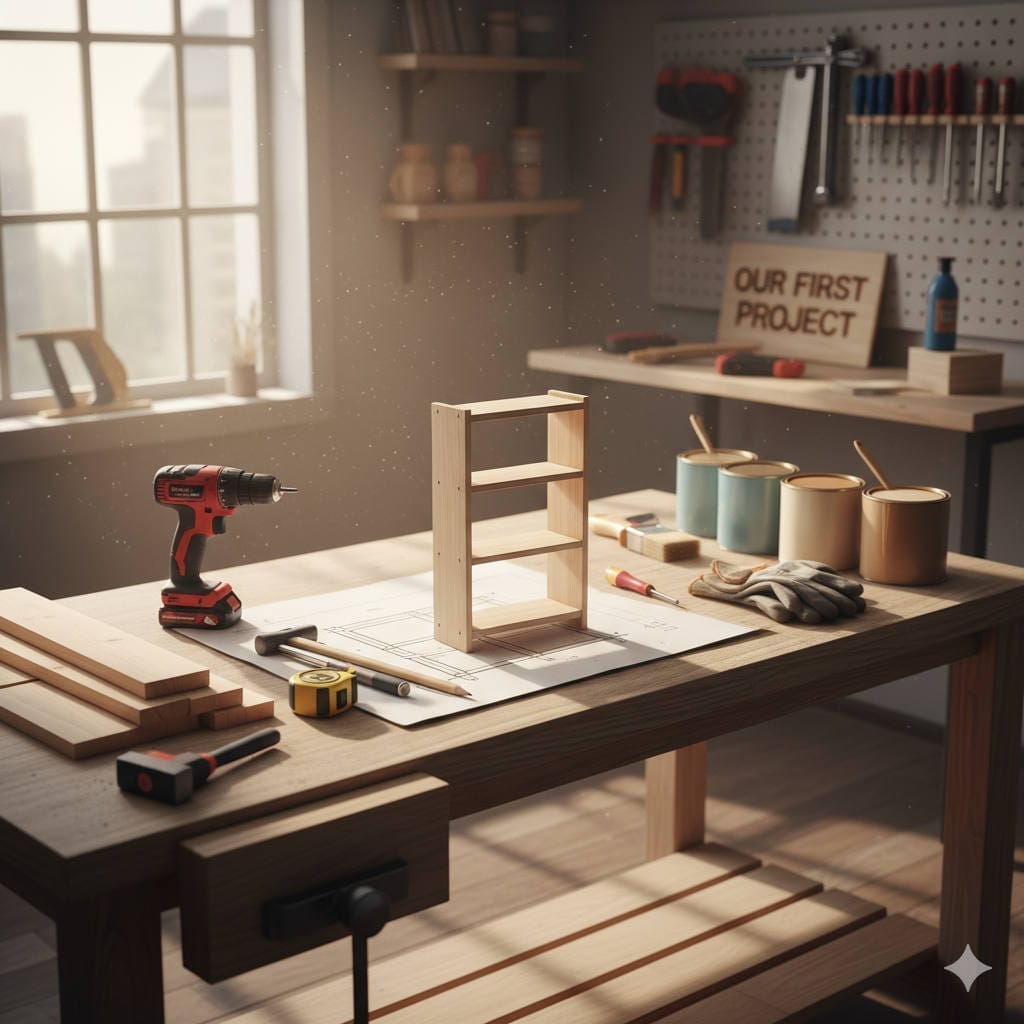
There comes a moment in every homeowner’s or renter’s life when the thought crosses their mind: Maybe I could fix this myself. It could be as simple as tightening a loose cabinet hinge, giving an old chair a fresh coat of paint, or finally tackling that bare corner of the living room with some handmade shelves. The rise of DIY culture has turned countless people into makers, creators, and problem-solvers, even those who never thought of themselves as “handy.” But stepping into the world of DIY for the first time can be both thrilling and intimidating.
If you’re about to attempt your first project, you might feel a mixture of excitement, curiosity, and a little fear of messing things up. That’s completely normal. DIY is not about perfection—it’s about learning, experimenting, and growing confident in your ability to take on challenges. This guide will walk you through everything you need to know before starting: how to choose your first project, what tools to invest in, the mindset that will help you succeed, and the pitfalls to avoid. Think of it as your friendly companion on the journey into the world of first-time DIY.
Why DIY Has Become So Popular
DIY isn’t just about saving money, though that’s certainly one of the perks. For many people, it’s about reclaiming a sense of creativity in a world that often pushes us to consume rather than create. When you make something with your own two hands, whether it’s a wooden planter box, a painted feature wall, or a repaired faucet, you get to see immediate results of your effort. That sense of accomplishment is addictive.
On a practical level, DIY helps cut costs on home improvement projects that would otherwise require expensive contractors. Beyond that, it gives you control over your environment. You get to design, build, and modify things exactly the way you want them. No compromises, no settling for cookie-cutter furniture or generic décor—you can add personal touches that reflect your style.
There’s also a sustainability angle. Upcycling old furniture, repairing rather than replacing, and using reclaimed materials means less waste ends up in landfills. At a time when more people are trying to live consciously, DIY is an eco-friendly choice. And let’s not forget: every time you solve a problem with your hands, you’re building skills you’ll use for years to come.
Choosing the Right First Project
The biggest mistake many first-time DIYers make is biting off more than they can chew. Enthusiasm is great, but you don’t want your first project to end in frustration or half-finished scraps that never get used. The key is to pick something achievable.
Start by asking yourself: what do I actually need or want in my home? Maybe you’ve been wishing for more storage space, or you’d love to brighten up your bedroom with a new coat of paint. Choosing a project with a clear purpose keeps you motivated.
A great beginner’s project is one that can be completed in a few hours or over a single weekend. Think small, functional, and fun. Painting a room, putting up floating shelves, creating a simple coffee table from repurposed wood, or assembling a raised planter box for your balcony garden are all excellent first-time projects. They don’t require advanced tools, and they give you visible, satisfying results.
The internet is overflowing with inspiration. YouTube, Pinterest, and DIY blogs are goldmines of step-by-step tutorials. Just remember, a project that looks simple in a sped-up video may actually take time and patience. Pick one that matches your current skill level rather than one that only looks impressive.
Building Your Beginner’s Toolkit
Before you even lift a hammer, you’ll need some basic tools. Think of this as an investment in your future projects. You don’t need to rush out and buy a garage full of professional equipment—start small and build as you go.
At the very least, every beginner should own a hammer, a couple of screwdrivers (both flathead and Phillips), a tape measure, a utility knife, a level, and a pair of sturdy pliers. These simple tools will allow you to handle most entry-level DIY projects.
As you get more comfortable, a cordless drill will quickly become your best friend. It speeds up assembling, drilling holes, and installing fixtures. A power sander is another tool that can transform wood projects from rough and uneven to smooth and polished in minutes.
And please—never underestimate the importance of safety gear. Safety goggles, a dust mask, work gloves, and ear protection might not feel exciting, but they are non-negotiable. A good DIYer is a safe DIYer.
Setting Up Your Workspace
The place where you work can make or break your DIY experience. You don’t need a giant workshop, but you do need an organized, functional space.
If you’re indoors, choose a well-lit room with enough space to spread out materials. Protect your floors with an old sheet or a plastic tarp, and keep your tools within arm’s reach. If you’re outdoors or in a garage, make sure you have enough ventilation, especially when painting, staining, or working with adhesives.
Lighting is another underrated factor. Good, bright light ensures accuracy and reduces accidents. A small desk lamp may work for crafts, but larger projects will require stronger lighting. Keep your workspace clutter-free so you’re not constantly tripping over materials or searching for missing screws.
The DIY Mindset: More Important Than Skill
One of the biggest misconceptions is that you need to be naturally “handy” to do DIY. That couldn’t be further from the truth. What you really need is the right mindset.
First, embrace learning. Mistakes will happen. The shelf might not line up perfectly, or the paint might drip. That’s okay. Every mistake is a lesson that makes your next attempt better.
Second, practice patience. DIY projects almost always take longer than expected. Rushing leads to sloppy results and sometimes even injuries. Accept that it’s a process.
Third, develop a problem-solving attitude. Sometimes instructions won’t make sense, or materials won’t fit exactly. Think creatively. Adjust, experiment, and don’t be afraid to try a new approach.
Finally, celebrate your progress. Even if your project isn’t perfect, it’s yours. That sense of ownership is something no store-bought product can replicate.
Avoiding Common First-Time Mistakes
Let’s be honest: everyone stumbles when they first start DIY. But knowing the most common pitfalls can help you sidestep them.
One of the biggest errors is poor measuring. There’s a reason the phrase “measure twice, cut once” is drilled into every carpenter’s head. Accuracy matters, and rushing through measurements often leads to wasted materials.
Another mistake is neglecting preparation. For example, if you paint over a dirty or glossy surface without sanding or cleaning, the finish won’t stick properly. Prep work might feel boring, but it sets the stage for professional-looking results.
Using the wrong tools is another common issue. Trying to drive a screw with the wrong screwdriver or cutting wood with a dull blade only leads to frustration. The right tool makes the job easier and safer.
Perhaps the most damaging mistake is ignoring safety. Skipping goggles or gloves because “it’ll only take a minute” can lead to injuries that stop your DIY journey before it begins.
And finally, don’t quit halfway through. It’s easy to get discouraged when things don’t go as planned. Take a break if you need to, but push through to the end. Finishing is what builds confidence.
Where to Learn DIY Skills
The beauty of being a beginner in the digital age is that knowledge is everywhere. YouTube offers step-by-step tutorials for almost any project you can imagine, complete with visuals that make complicated processes easier to understand. Pinterest is perfect for inspiration and discovering creative ideas you might not have considered.
Many hardware stores even offer free or affordable workshops, where you can get hands-on experience under the guidance of professionals. Local community centers or maker spaces sometimes host skill-sharing sessions too.
Don’t overlook traditional resources like books and manuals. Sometimes the tried-and-true methods found in carpentry or home repair guides provide insights that quick online videos skip over.
Budgeting Your First Projects
While DIY is often cheaper than hiring a professional, costs can add up quickly if you’re not careful. That’s why budgeting matters.
Start by making a list of everything you’ll need, from materials to tools, and check what you already have at home. Reusing, recycling, or repurposing materials can save a lot of money and add unique character to your projects.
If you’re on a tight budget, focus on smaller projects at first. They require fewer materials and help you build confidence before you move on to larger investments.
Shopping smart also helps—watch for sales at hardware stores, check second-hand shops for tools, or even ask friends and family if they have spare materials lying around. Many DIYers are happy to share or trade supplies.
Safety First, Always
It’s tempting to dive right in, but safety should always come before speed. Simple precautions make a huge difference. Always cut away from your body, unplug power tools before changing attachments, and keep a first-aid kit nearby.
If children or pets are around, store sharp tools and hazardous materials out of reach. And know your limits—if a project involves electrical wiring or complex plumbing that you’re not trained for, it’s better to call a professional.
Safety doesn’t just prevent accidents; it gives you peace of mind, which makes the whole process more enjoyable.
The Bigger Picture: DIY as a Lifestyle
Once you complete your first project, something shifts in how you see the world around you. That wobbly chair? Instead of tossing it, you’ll think about how to repair it. That old dresser? You might envision sanding it down and giving it a bold new finish.
DIY is more than a hobby—it’s a mindset. It encourages resourcefulness, reduces reliance on consumer culture, and builds resilience. You start to believe in your ability to solve problems, not just in your home, but in life in general.
Conclusion: Your DIY Journey Starts Now
Starting your first DIY project can feel daunting, but the key is to begin small, be patient with yourself, and enjoy the process. Every nail hammered, every brushstroke painted, and every problem solved teaches you something valuable.
Remember: perfection isn’t the goal. Growth, creativity, and the pride of saying “I made this” are the true rewards. Whether you end up creating a handmade piece of furniture, fixing a leaky faucet, or transforming a dull room into a cozy space, each project builds your confidence and skill set.
So gather your tools, carve out a little workspace, and dive in. Your first project is just the beginning of a lifelong journey of creativity and self-reliance.