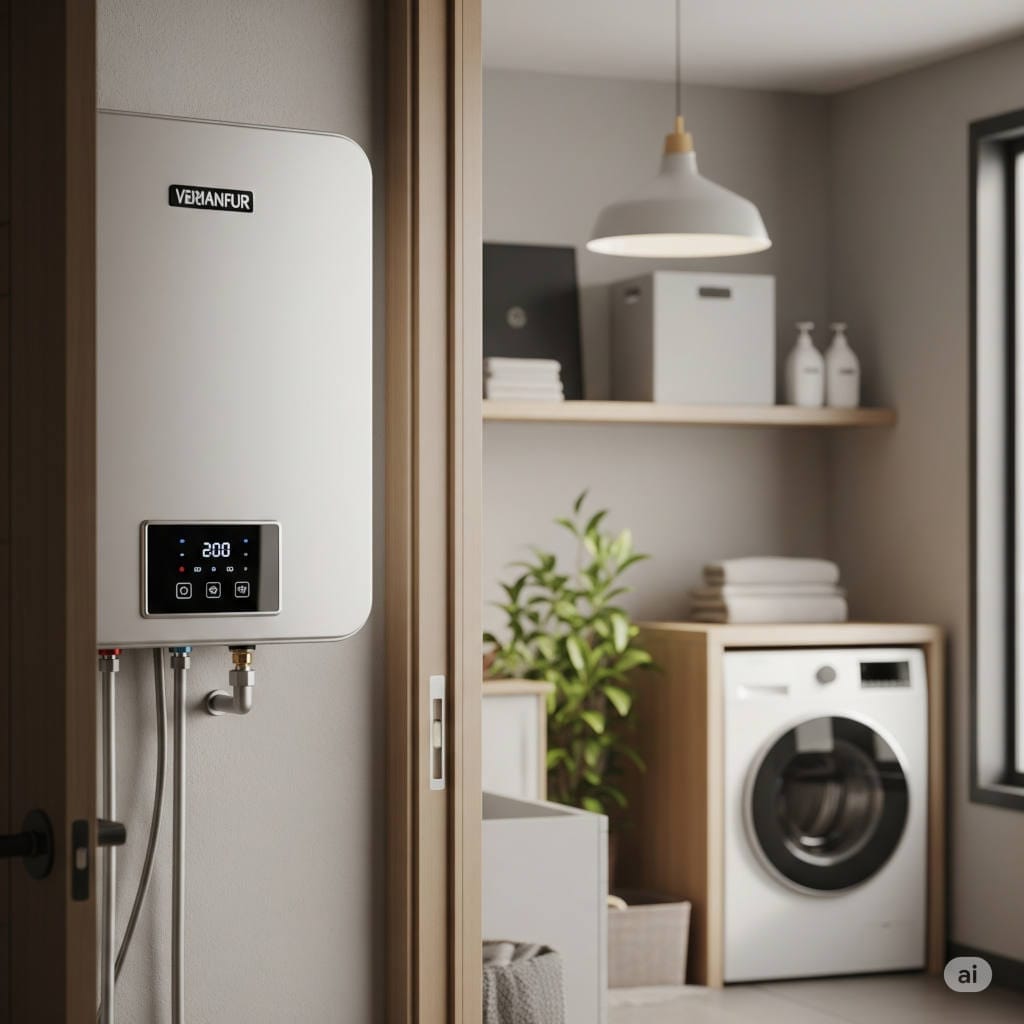
Hot water is one of those everyday comforts most people don’t think about until it stops working. From morning showers to dishwashing and laundry, a reliable water heater supports countless daily tasks. Yet selecting the right system for your home is often more complex than people expect. With different technologies, sizes, energy sources, and efficiency levels available, choosing poorly can lead to high utility bills, insufficient hot water, or expensive upgrades later.
This guide is designed to help homeowners and renters make an informed decision. It explains water heater types, sizing, energy efficiency, installation factors, cost considerations, maintenance requirements, and product suggestions — all in a practical and easy-to-understand way.
Whether you’re replacing an outdated system or installing one for the first time, the information below will help you select a solution that balances comfort, efficiency, and long-term value.
Understanding Your Household’s Hot Water Needs
Before comparing models or brands, it’s important to evaluate your actual hot water usage. Buying based on assumptions rather than real needs often leads to overspending or underperformance.
Start by considering:
- Number of people in your household
- Frequency of showers or baths
- Use of appliances like washing machines and dishwashers
- Simultaneous usage during peak hours
- Local climate conditions (colder water requires more heating)
A single individual living alone typically requires far less heated water than a family of five. Similarly, households that run multiple showers or appliances at the same time need higher capacity or flow rates.
A practical estimation method is to calculate average daily consumption per person. Light usage households might use 20–30 liters per person, moderate usage about 30–50 liters, and heavy usage closer to 50–70 liters. This estimate forms the foundation for choosing capacity and technology.
Thinking through real usage patterns ensures your selection process starts from data rather than guesswork.
Main Types of Water Heaters Explained
Modern residential water heaters fall into several major categories. Each operates differently and serves different lifestyle needs.
Storage Tank Water Heaters
These are the most common and familiar systems. They heat water in a large insulated tank and maintain it at a set temperature until needed.
They are popular because they are affordable, straightforward to install, and easy to operate. When sized correctly, they deliver dependable hot water even during high demand.
Advantages include lower upfront cost, simple installation, and compatibility with most homes. However, they continuously consume energy to maintain temperature and require significant space. Once the tank empties, users must wait for reheating.
Recommended product types for SEO visibility and general reliability include:
- AO Smith electric storage heaters
- Rheem Performance tank systems
- Ariston storage geysers
- Havells or Racold storage units (common in South Asian markets)
These brands are widely known for durability and service availability.
Storage heaters are ideal for families and households with predictable, steady demand.
Tankless (On-Demand) Water Heaters
Tankless systems heat water only when it flows through the unit. They eliminate storage and provide continuous supply as long as flow limits are not exceeded.
Their compact size and high efficiency make them attractive for modern homes. They are especially beneficial where space is limited.
Benefits include endless hot water, lower standby energy loss, longer lifespan, and compact installation footprint. Drawbacks include higher purchase cost, possible electrical or gas upgrades, and limitations when multiple outlets run simultaneously.
Well-known product lines include:
- Rinnai tankless gas heaters
- Stiebel Eltron electric tankless units
- EcoSmart on-demand heaters
- Bosch compact tankless models
Tankless solutions suit smaller homes, apartments, or households prioritizing energy efficiency and space savings.
Heat Pump (Hybrid) Water Heaters
Hybrid systems extract heat from surrounding air and transfer it into water. They combine storage tanks with advanced efficiency technology.
They consume significantly less electricity than traditional electric heaters and can deliver major long-term savings.
Advantages include extremely high efficiency, reduced operating cost, and environmental benefits. Limitations include higher upfront investment and performance sensitivity to installation environment temperature.
Popular examples include:
- Rheem Hybrid Series
- AO Smith Voltex Hybrid models
These systems are ideal for energy-conscious households planning long-term occupancy.
Solar Water Heating Systems
Solar heaters use rooftop collectors to harness sunlight, often paired with backup electric or gas heating.
They drastically reduce energy consumption and environmental impact once installed.
Benefits include extremely low operational costs and sustainability advantages. Challenges include installation complexity, climate dependency, and initial expense.
Widely recognized manufacturers include:
- V-Guard solar heating solutions
- Racold solar systems
- Chromagen solar heaters
Homes in sunny regions often achieve substantial returns from solar systems over time.
Choosing the Correct Water Heater Size
Sizing is the single most critical technical factor in water heater selection.
An undersized system causes cold water interruptions, while oversized units waste energy and increase cost.
General Tank Capacity Guidelines
- 1–2 people: 80–150 liters
- 3–4 people: 150–200 liters
- 5–6 people: 200–300 liters
- Large families: 300+ liters
These numbers provide starting points rather than absolute rules.
Flow Rate Considerations for Tankless Units
Tankless heaters are sized by liters per minute rather than storage capacity.
Estimate how many fixtures operate simultaneously:
- Shower: 6–10 liters/min
- Sink: 2–5 liters/min
- Washing machine: 4–8 liters/min
Add simultaneous flows to determine required unit capacity.
Peak Hour Demand
Evaluate your busiest usage hour — typically mornings or evenings. Choosing equipment capable of meeting peak demand ensures consistent comfort.
Proper sizing prevents the two most common homeowner complaints: running out of hot water or paying excessive energy bills.
Energy Efficiency and Cost Savings
Energy efficiency directly affects monthly utility expenses and environmental footprint.
Modern water heaters display efficiency ratings that indicate how effectively energy converts to heated water.
Higher efficiency units cost more initially but save money long term. Over a decade, energy savings often exceed purchase cost differences.
Tankless and heat pump models generally outperform traditional tanks in efficiency. Solar systems offer maximum savings where viable.
Smart purchasing involves evaluating lifecycle cost rather than just purchase price.
Fuel Source Considerations
Water heaters operate using electricity, natural gas, LPG, or solar energy.
Availability and price vary by location, influencing operating costs.
Electric units are easy to install and widely accessible. Gas heaters heat faster and often operate more economically. Solar reduces long-term expenses but requires sunlight access.
Choosing based on locally available fuel ensures realistic cost planning.
Installation Space and Infrastructure
Physical installation constraints shape product choice more than many buyers realize.
Evaluate:
- Available floor or wall space
- Electrical capacity
- Ventilation requirements
- Plumbing layout
- Structural roof suitability (for solar)
Tank systems need storage space, while tankless units mount on walls. Gas heaters require safe venting. Solar installations demand adequate roof exposure.
Consulting a professional installer before purchase avoids compatibility issues.
Water Quality and Pressure Factors
Local water conditions affect heater longevity and performance.
Hard water causes mineral buildup inside tanks and heating elements, reducing efficiency. Installing filtration or periodic flushing can mitigate damage.
Low water pressure may reduce effectiveness of instant heaters. Storage systems handle pressure fluctuations better.
Understanding local infrastructure helps prevent performance disappointment.
Cost Planning Beyond Purchase Price
Budgeting should include:
- Equipment cost
- Installation labor
- Infrastructure upgrades
- Maintenance
- Energy usage
Typical ranges vary widely by technology, but installation can account for a substantial portion of total investment.
Cheapest upfront options are not always cheapest long term.
Financial planning should consider full lifecycle expenses.
Maintenance and Expected Lifespan
Regular maintenance significantly extends equipment life.
Typical lifespans:
- Tank systems: around a decade
- Tankless systems: potentially double
- Hybrid units: mid-range longevity
- Solar systems: long collector lifespan
Routine practices include flushing tanks, inspecting valves, and monitoring heating elements.
Neglecting maintenance leads to reduced efficiency and premature failure.
Smart Features and Modern Innovations
Modern heaters increasingly integrate digital technology.
Smart features include:
- Wi-Fi monitoring
- Energy tracking
- Leak detection
- Remote temperature control
- Self-diagnostics
While not essential, these features improve convenience and efficiency for tech-savvy households.
Common Mistakes to Avoid
Many buyers repeat the same errors:
Choosing based solely on price
Ignoring sizing calculations
Overlooking installation requirements
Underestimating energy costs
Skipping professional consultation
Avoiding these mistakes ensures a better ownership experience.
Practical Step-By-Step Decision Checklist
Evaluate household usage
Choose suitable technology type
Calculate required capacity
Confirm fuel availability
Assess efficiency ratings
Check installation space
Compare lifecycle cost
Consult professionals
Following a structured process removes uncertainty and improves confidence.
Final Thoughts on Selecting the Ideal Water Heater
Choosing the right water heater is not simply buying an appliance — it is investing in daily comfort, operational efficiency, and long-term savings.
By understanding technology options, calculating realistic demand, considering efficiency and infrastructure constraints, and selecting reputable products, homeowners can secure reliable hot water for years.
The best choice is rarely universal. It depends on lifestyle, budget, property conditions, and energy priorities. A thoughtful approach ensures your system delivers performance rather than frustration.
Hot water may be invisible when it works well, but the benefits of selecting the right system are felt every single day.